Research Scientist · Medical AI
I’m a Medical AI researcher based in Seoul, Republic of Korea.
My work focuses on the development of AI models across
CT, whole slide imaging (WSI), and fundus imaging,
spanning detection, classification, segmentation, and prognostic modeling using real-world clinical and industry datasets.
I’m currently a Research Scientist at VUNO Inc. and I’m open to research collaborations.
One paper accepted to 2026 ICLR
Four papers accepted to 2026 ISBI
One paper accepted to npj Precision Oncology (IF 8.0, JCR Top 11.7%)
Two patents granted (US & KR)
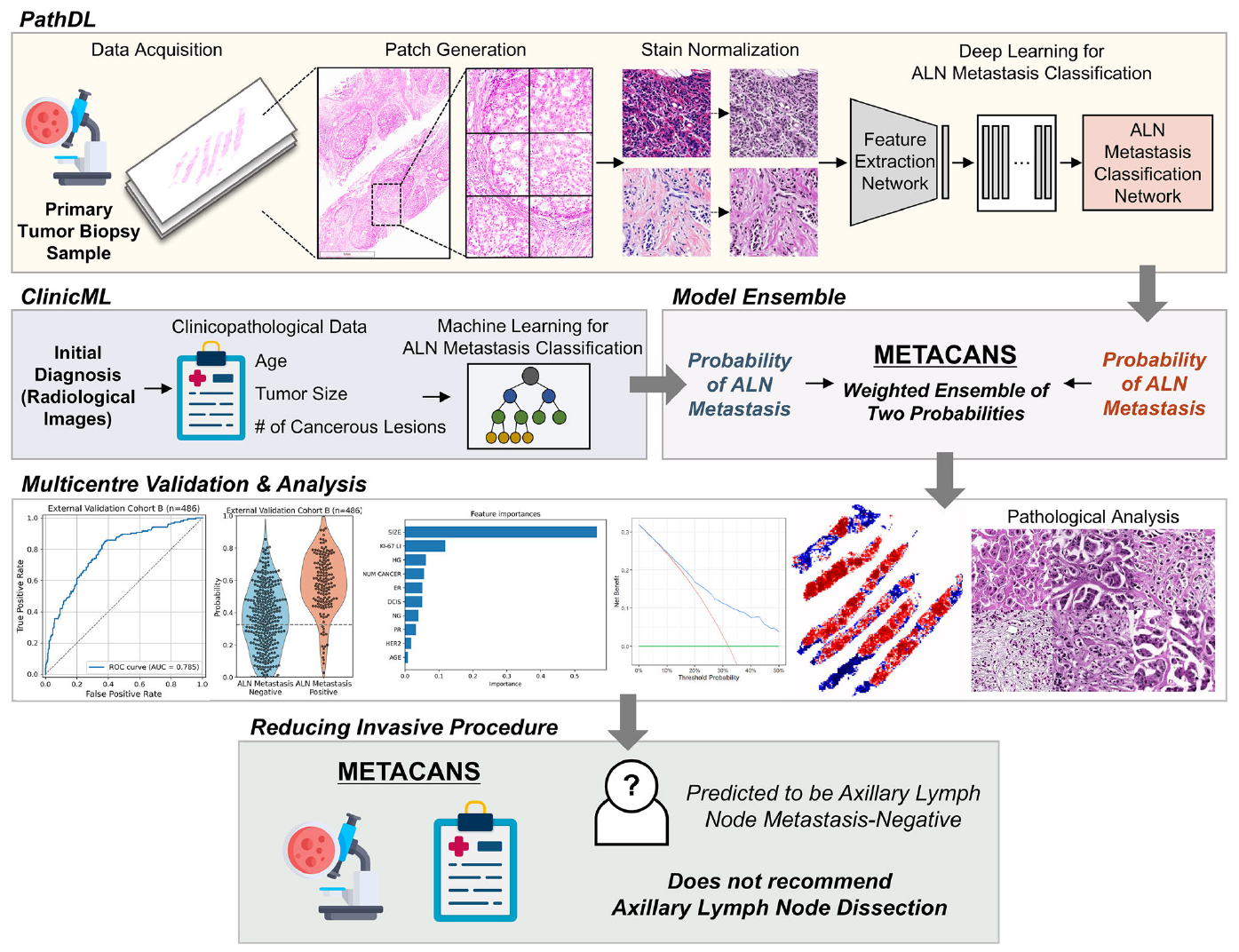
Dissertation: Artificial Intelligence-based Preoperative Prediction of Axillary Lymph Node Metastasis in Breast Cancer using Whole Slide Images
Advisor: Prof. Dosik Hwang
† Corresponding author
* Equally contributed
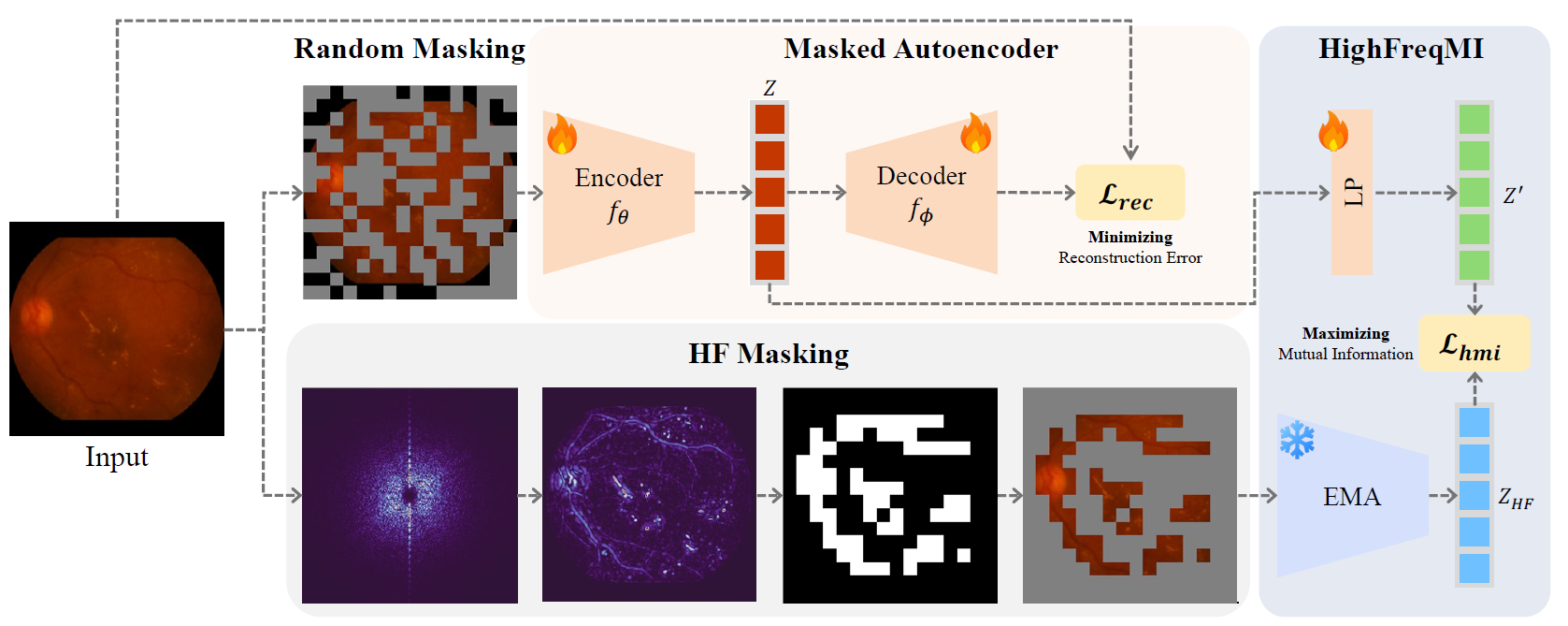
Developed a retinal self-supervised learning framework that better preserves clinically important high-frequency structures, improving data efficiency and transfer across multiple downstream tasks.
Developed multimodal models that combine whole-slide images with clinical variables to support preoperative prediction, with validation across multiple cohorts for stronger clinical relevance.
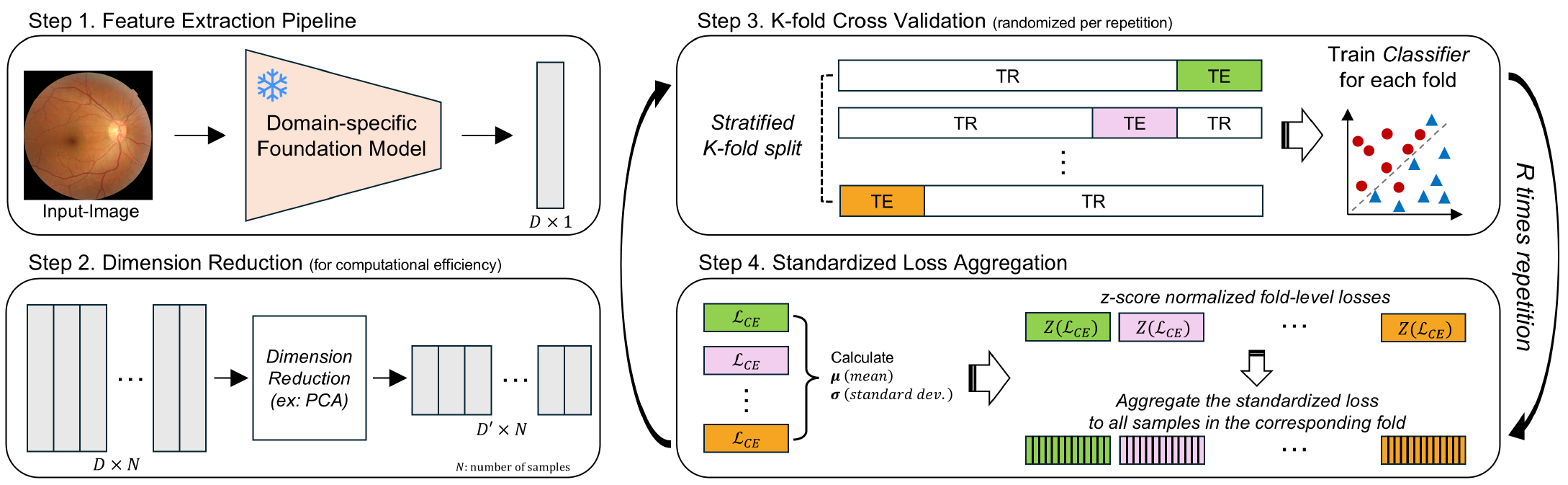
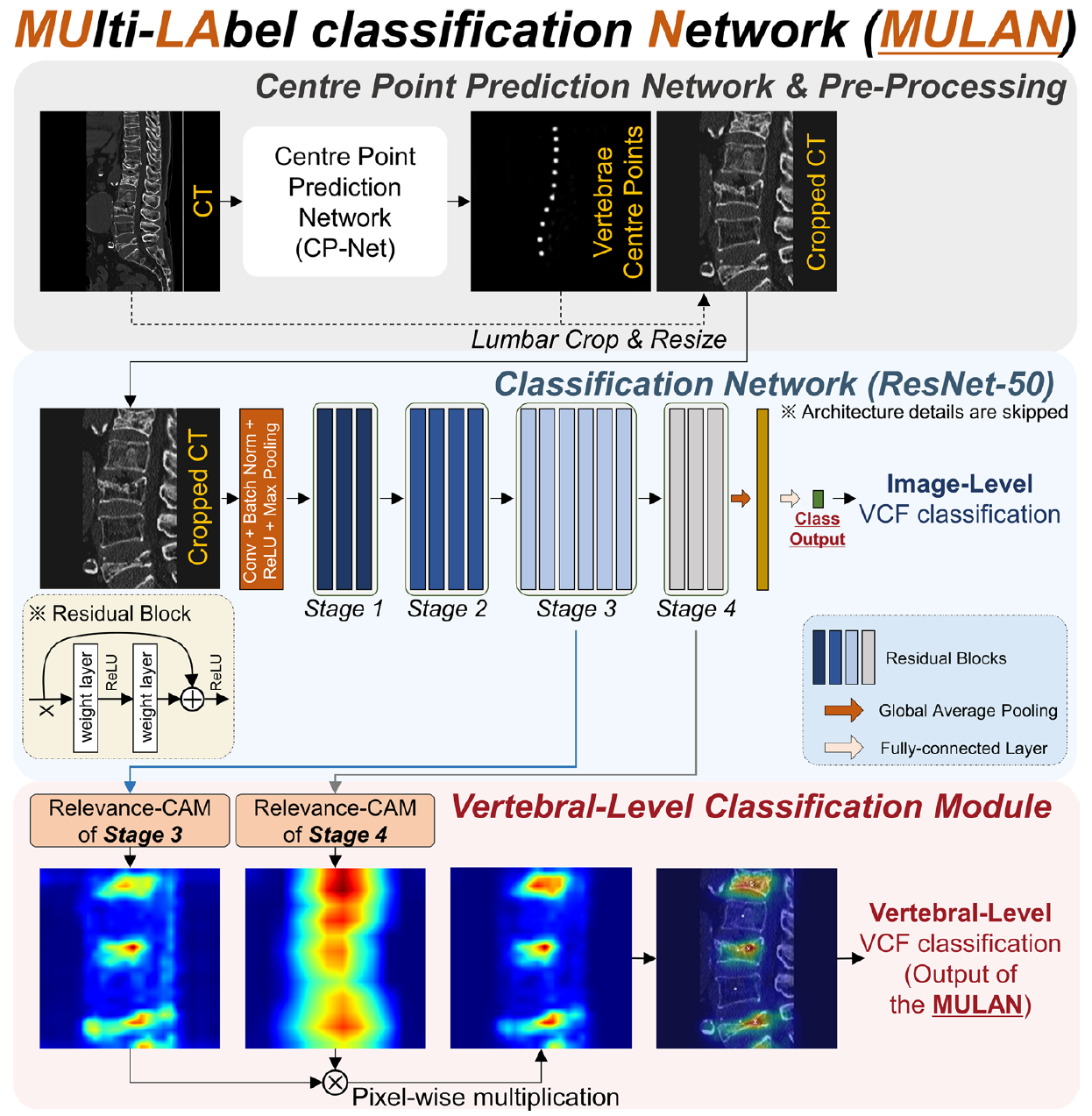
Trained CT diagnostic models with weak supervision to reduce annotation burden while maintaining strong performance at clinically meaningful prediction granularity.
Developed a task-agnostic noisy-label detection method that produces stable sample-level quality scores, enabling efficient dataset refinement and more reliable model development.
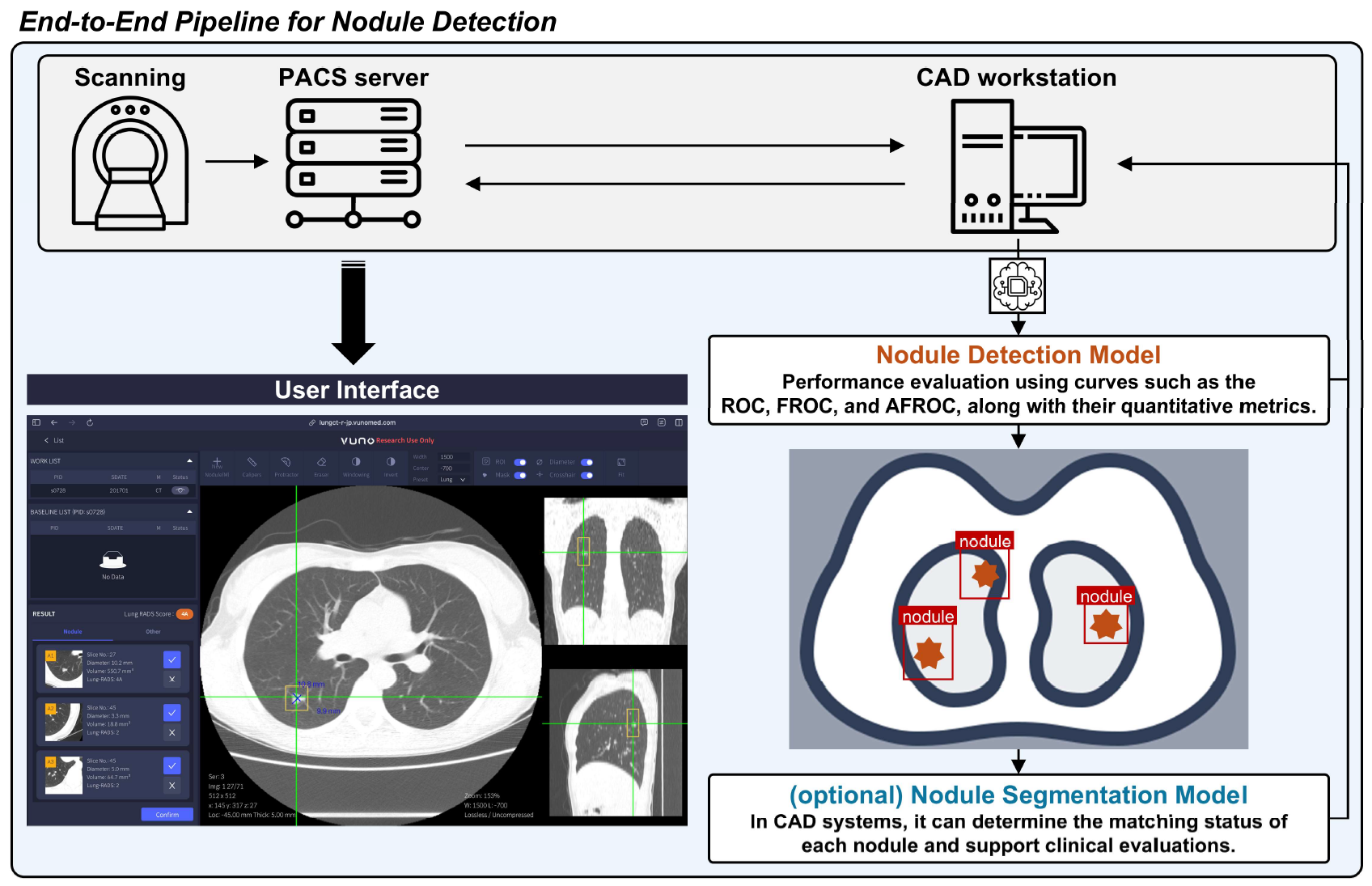
Reviewed major performance metrics for computer-aided detection systems, clarifying their strengths, limitations, and clinical implications. Proposed practical guidelines for selecting evaluation metrics based on task design, dataset composition, and intended clinical use.
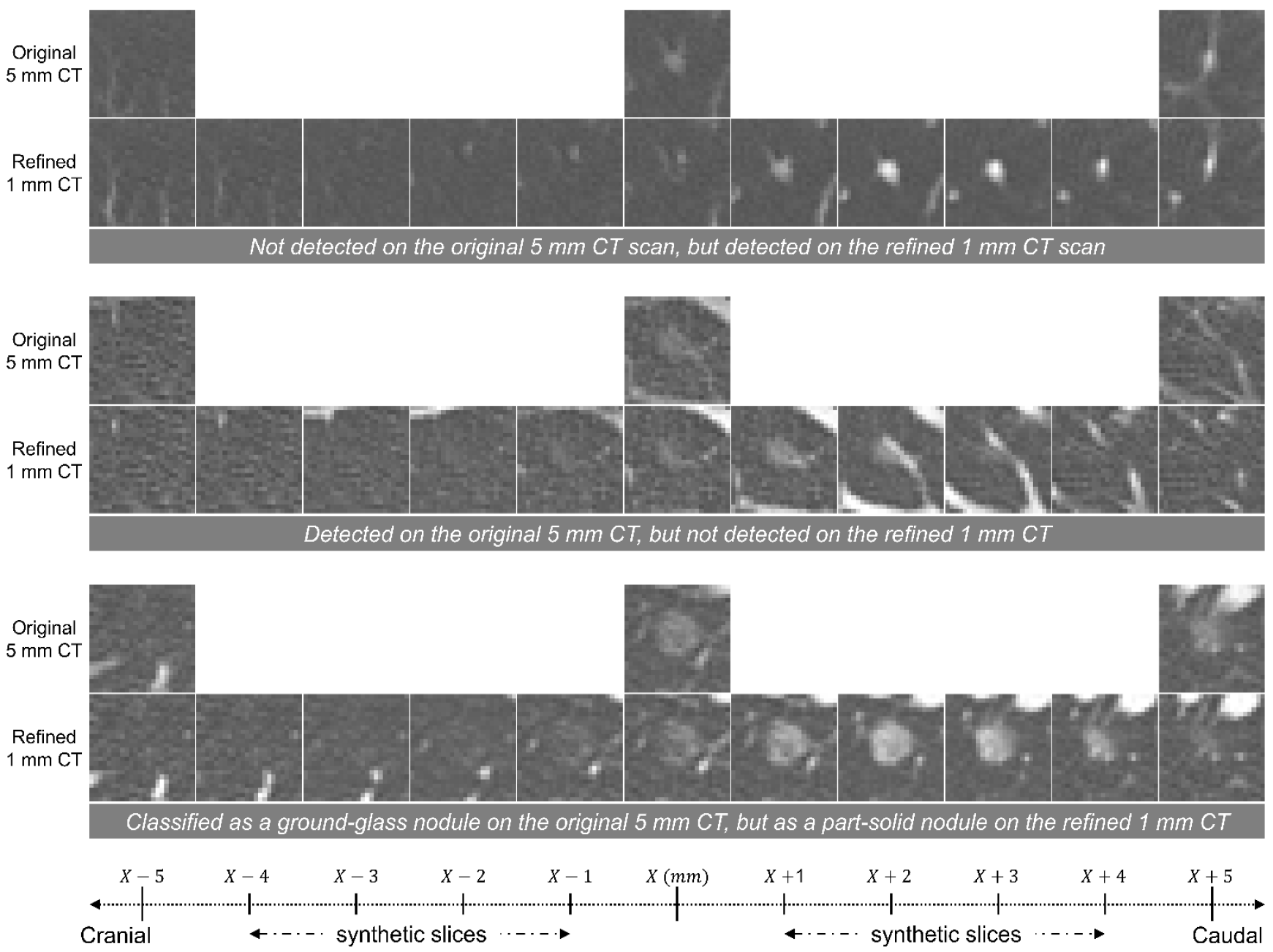
Developed deep learning methods to enhance thick-slice CT images, improving the visibility of subtle findings and supporting more reliable downstream nodule detection.
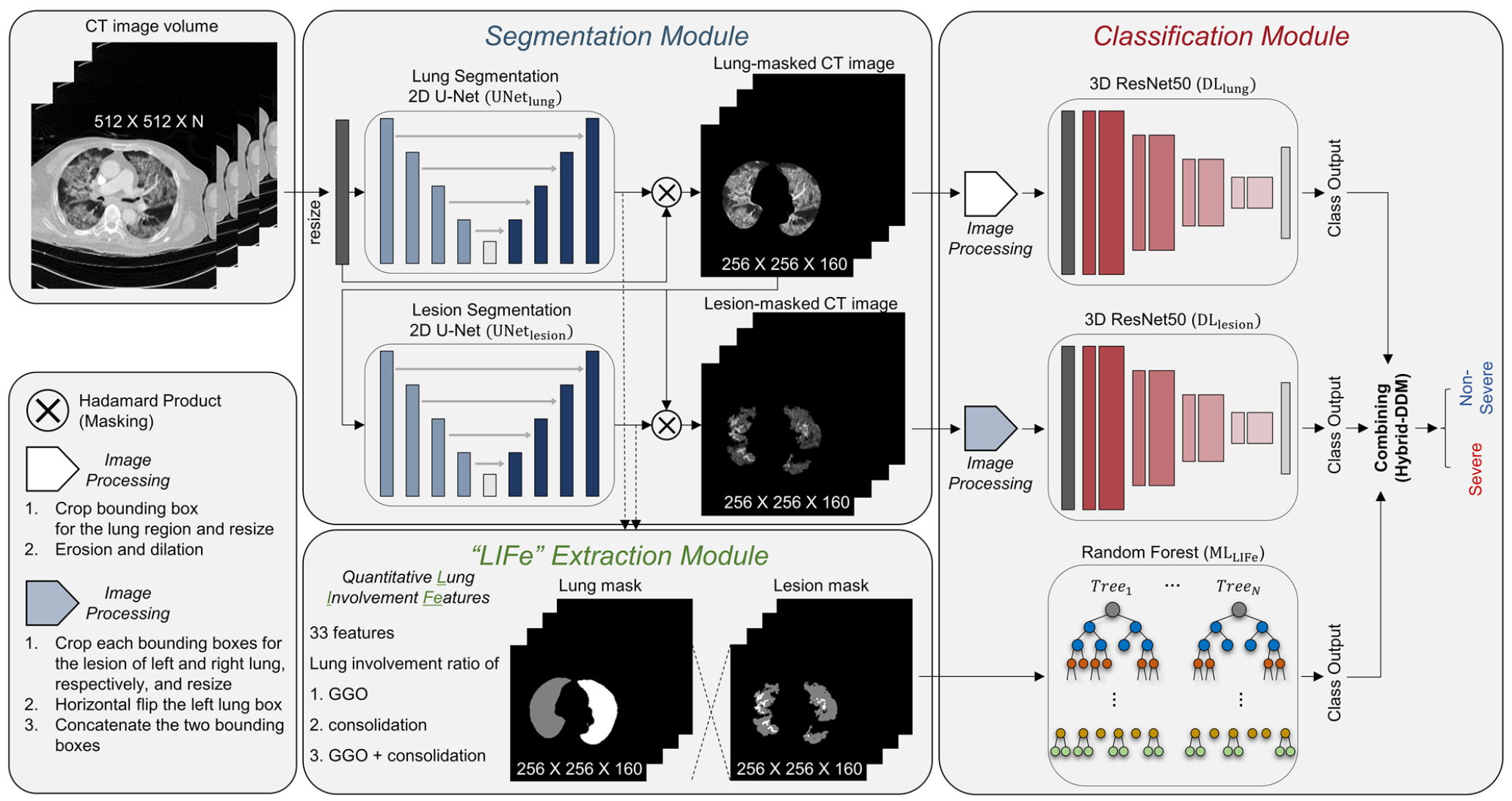
Developed a hybrid severity assessment framework that combines deep learning and machine learning to quantify disease severity from CT images, with external validation across multiple cohorts and pneumonia types.
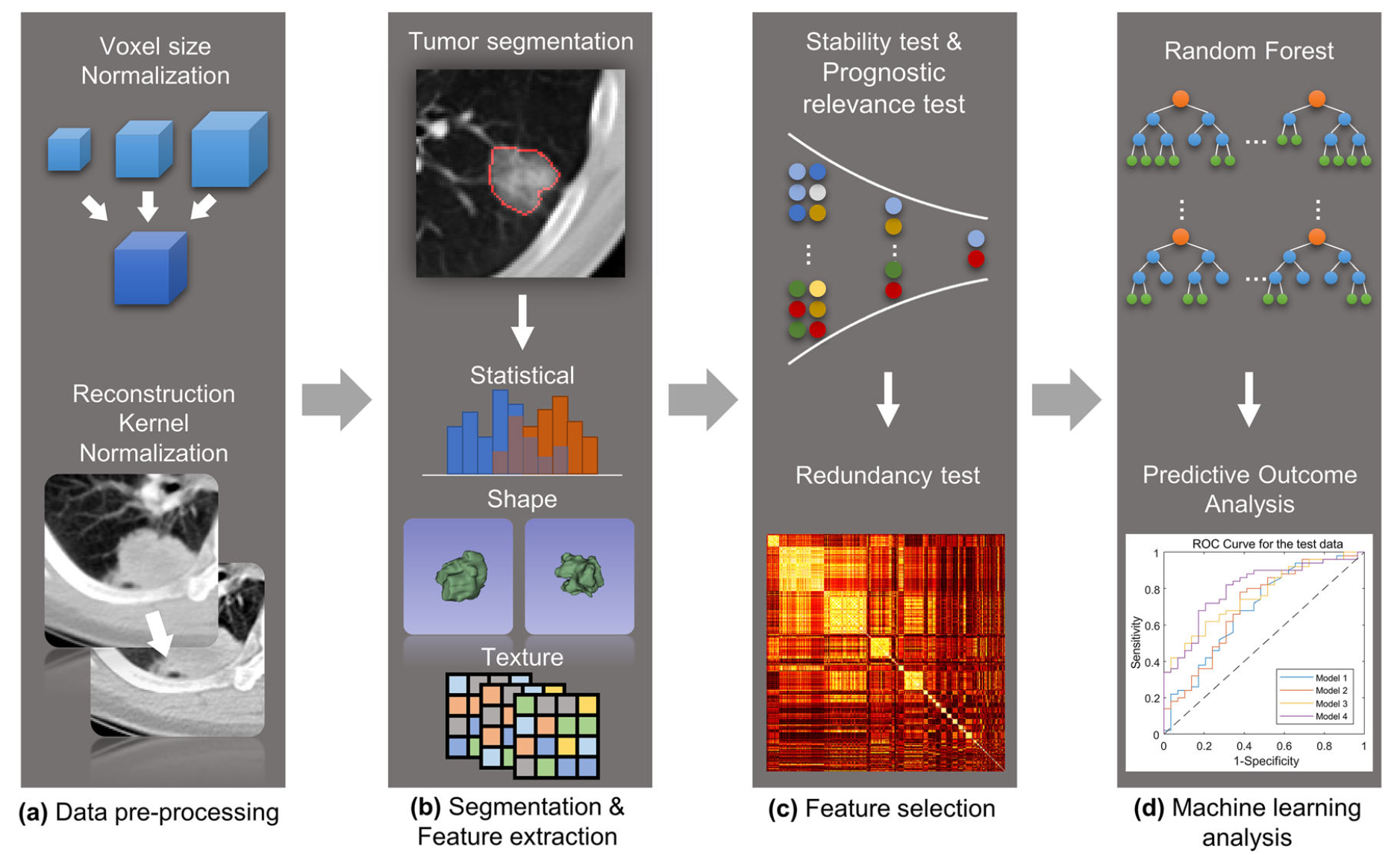
Studied how normalization and preprocessing affect radiomic feature stability and predictive performance, improving robustness across heterogeneous CT acquisition settings.
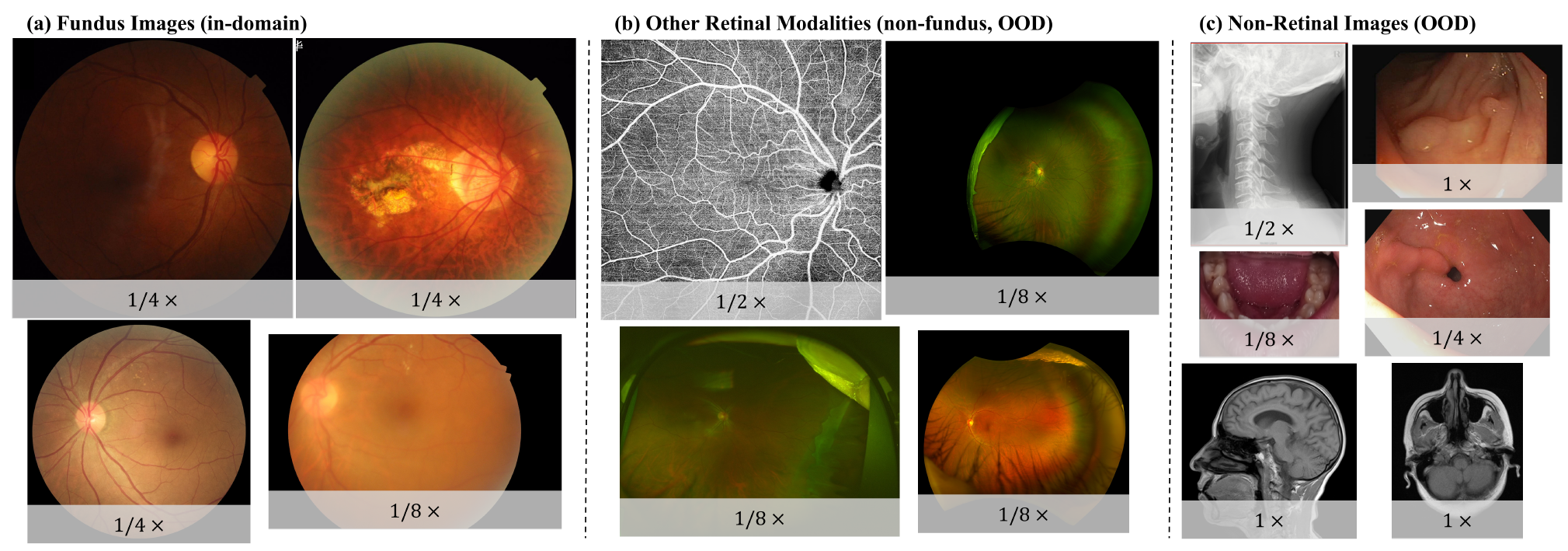
Evaluated OOD detection approaches for medical imaging pipelines, comparing classical machine learning and deep learning under practical constraints such as accuracy, latency, and simplicity.
Developed a image-based method for assessing make-up level from facial photographs, leading to multiple domestic and international patents and technology transfer.


Download my full CV for detailed information about my publications, patents, and work experience.
Download CV (PDF)Seoul, Republic of Korea
VUNO Inc. (Research Scientist)